When you or a loved one are facing respiratory challenges, making the right equipment choice is paramount. The debate surrounding oxygen concentrator rental vs purchase often leaves families feeling overwhelmed, especially when trying to balance immediate health needs with long-term financial stability. At Old is Gold Store, we understand that navigating this path isn’t just about the hardware; it’s about ensuring your family member receives consistent, reliable respiratory support without unnecessary stress.
Choosing between renting and buying isn’t a one-size-fits-all situation. It depends on whether the requirement is for a short-term recovery post-surgery or a chronic, lifelong condition. In this comprehensive guide, we’ll dive deep into the pros and cons of both, helping you make a decision that prioritizes comfort, cost-effectiveness, and quality of life.
Understanding Oxygen Concentrators: The Basics for Home Care
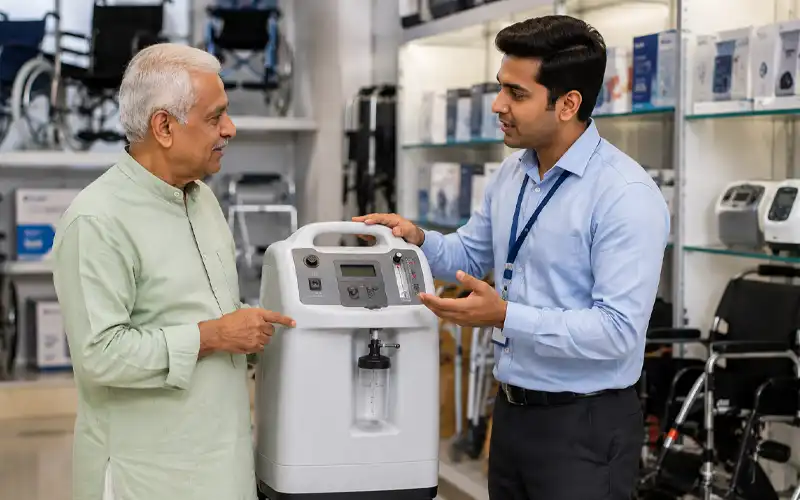
An oxygen concentrator is a medical device that filters nitrogen from room air to deliver concentrated, high-purity oxygen to the patient. Unlike traditional oxygen cylinders, which require periodic refilling, a concentrator works continuously as long as it has access to a power source.
For many families in Chennai and beyond, the shift toward home-based care has made these devices indispensable. Whether you are dealing with COPD (Chronic Obstructive Pulmonary Disease), post-COVID respiratory fatigue, or elderly care needs, the concentrator is often the cornerstone of the treatment plan. It’s essential to understand that these machines vary significantly in flow rate (LPM), noise level, and portability. Knowing these specs is the first step before you even consider whether to rent or buy.
The Benefits of Renting an Oxygen Concentrator
For many, renting is the “go-to” solution, especially during uncertain medical phases. It allows you to access hospital-grade equipment without the heavy burden of a massive upfront payment.
Financial Advantages of Short-Term Rentals
When you’re hit with a sudden medical expense, the last thing you need is a high-ticket item draining your savings. Renting allows you to manage cash flow better. By opting for a monthly rental plan, you spread the cost over time. It’s a practical way to deal with temporary needs—like a 3-month recovery period—where you don’t need a machine indefinitely.
Why Flexibility Matters for Recovery
Medical conditions are rarely static. A patient might start at a 5L flow rate and eventually need a 10L machine as their condition evolves. When you rent, you have the flexibility to upgrade or switch machines as prescribed by your doctor. You aren’t “stuck” with a piece of hardware that no longer meets the patient’s clinical requirements. Furthermore, if the patient recovers faster than expected, you simply return the device, avoiding the hassle of resale.
The Case for Purchasing an Oxygen Concentrator
Purchasing is a strategic move for those who know their journey with oxygen therapy is a long-term one. If your healthcare provider suggests that oxygen support will be needed for the foreseeable future, buying can actually save you money.
Long-Term Savings and Ownership Benefits
While the initial sticker price of a quality oxygen concentrator might seem high, calculate the cost over 24 or 36 months. Rental fees, when added up, often exceed the purchase price of a brand-new unit. Ownership gives you “free” use of the machine after the break-even point is reached. Additionally, you own the asset. If the time comes when you no longer need it, you can often sell the unit or keep it as a backup for emergencies.
Independence and Constant Availability
Owning your machine removes the anxiety of expiration dates on rental contracts. There is no need to worry about renewal dates, return logistics, or rental company service schedules. For many, having a machine sitting in the corner, ready to go at a moment’s notice, provides a sense of autonomy and security that is invaluable for patients managing chronic lung conditions.
Key Factors Influencing Your Decision
To decide effectively, consider these three pillars:
- Duration: If the need is less than a year, rental usually wins. If it’s chronic (1+ years), purchase is often better.
- Budgeting: Can you afford a $600–$2,000 investment right now, or is a $50–$100 monthly rental fee more feasible?
- Portability Needs: Do you need a lightweight Portable Oxygen Concentrator (POC) for travel, or a stationary home unit? Stationary units are often cheaper to buy, but POCs are highly convenient for active users.
Maintenance and Support: Rental vs Purchase
One of the biggest “hidden” benefits of renting is the service agreement. When you rent from a provider like Old is Gold Store, the maintenance is usually handled by professionals. If the filter clogs or the machine makes a strange noise, a technician can help you troubleshoot or swap the unit out.
Conversely, when you purchase, you own the maintenance cycle. While modern concentrators are designed to be “low maintenance”—usually requiring only a weekly filter rinse—you are responsible for ensuring it gets serviced. If the machine breaks down after the warranty period, you foot the bill for repairs.
Navigating Insurance and Medical Coverage
Medicare and many private insurance plans often handle oxygen equipment as a “covered service.” Typically, they will pay for the rental of equipment over a fixed period (often up to 36 months). After this period, the equipment may technically become your property, or the insurer may continue to cover the cost of the supplies. It is crucial to call your insurance provider first, as their policies often heavily favor rental over one-time purchase reimbursements.
Frequently Asked Questions (FAQs)
For long-term use (typically over 12–18 months), purchasing is almost always more cost-effective. Rental fees accumulate quickly and can eventually surpass the cost of a brand-new device.
Yes, renting comes with the added peace of mind that service, troubleshooting, and maintenance are handled by our expert team. We ensure your machine is sanitized and operating at peak performance.
While you can, portable units are often designed for intermittent use rather than 24/7 continuous operation. Most patients find a stationary home concentrator more reliable for round-the-clock therapy.
Whether you rent or buy, the foam air intake filter should be washed with warm, soapy water weekly and air-dried completely before reinstallation. This prevents dust from entering the machine and keeps oxygen purity high.
With proper care, a high-quality home oxygen concentrator can last between 3 to 5 years or more. Following the manufacturer’s service guidelines is essential to reaching this lifespan.
Yes, in almost all jurisdictions, a medical oxygen concentrator is a prescribed medical device. You will need a valid prescription from your doctor detailing the required flow rate (LPM).
Final Verdict: Making the Right Choice
At the end of the day, the choice comes down to your personal health trajectory and financial comfort. If you are navigating a temporary health hurdle, renting provides the safety, flexibility, and support you need without a major financial drain. If you are managing a stable, chronic condition, purchasing allows you to gain independence and save money over the long term.
At Old is Gold Store, we’re here to help you navigate this transition. Whether you are ready to invest in a machine or need a flexible rental plan in Chennai, our team is committed to providing hygienic, tested, and reliable equipment to keep you breathing easy.
Don’t navigate this alone. Call our experts today at 98404 40505 or visit us to discuss the best oxygen solutions for your home.
Disclaimer: This article is for informational purposes only and does not constitute professional medical advice. Always consult with your pulmonologist or physician regarding your specific oxygen requirements before acquiring any medical equipment.