Breathing problems can be frightening, especially when a loved one starts struggling to maintain normal oxygen levels at home. Many families in Chennai are unsure when oxygen support becomes necessary. Some people ignore early symptoms, while others panic unnecessarily during temporary breathing discomfort. The truth is, low oxygen levels should never be ignored.
At Old is Gold Store, we regularly speak with families searching for home oxygen therapy and oxygen concentrator rentals in Chennai because someone at home is experiencing breathing difficulties. This blog post explains some common signs that may indicate a patient needs oxygen support at home and when it is important to seek medical attention.
What is Home Oxygen Therapy?
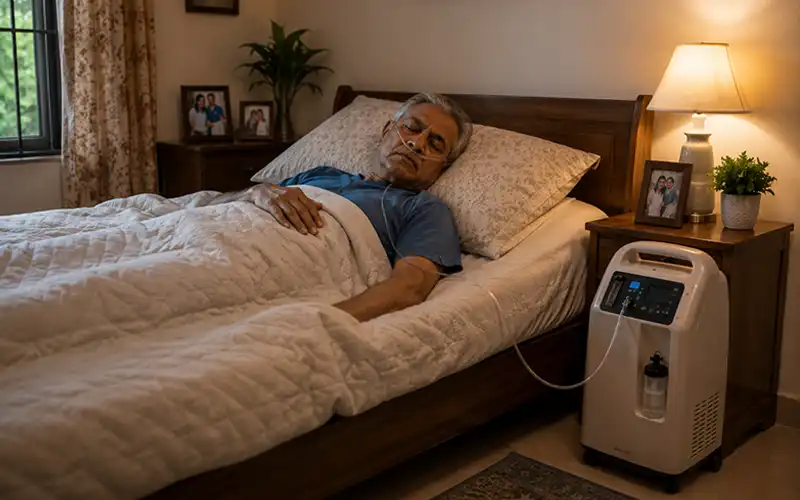
Home oxygen therapy is the use of medical oxygen support for patients who are unable to maintain healthy oxygen levels on their own. This is commonly done using:
- Oxygen concentrators
- Oxygen cylinders
- BiPAP machines
- CPAP machines (in some conditions)
Today, oxygen concentrators are widely used for home care because they provide continuous oxygen support without repeated cylinder refills.
Why Oxygen Levels Matter
Our body needs oxygen for every organ to function properly. When oxygen levels drop too low, the body starts struggling. If untreated, low oxygen can become dangerous. Low oxygen levels are also called:
- Low oxygen saturation
- Hypoxemia
Doctors usually monitor oxygen levels using a pulse oximeter.
What is a Normal Oxygen Level?
Generally:
- 95% to 100% is considered normal for most healthy people
- Below 94% may require medical attention
- Very low levels can become serious quickly
However, oxygen levels can vary depending on the patient’s medical condition. This is why doctor consultation is extremely important.
Common Signs That a Patient May Need Oxygen Support at Home
Many people think oxygen support is only needed during emergencies, but symptoms often begin gradually. Here are some common warning signs.
1. Shortness of Breath
One of the earliest signs is difficulty breathing. The patient may:
- Struggle while walking
- Feel breathless during simple activities
- Have trouble speaking continuously
- Feel uncomfortable while lying down
If breathing becomes increasingly difficult, medical attention is important.
2. Low Oxygen Saturation Levels
Many families now use pulse oximeters at home. If oxygen levels frequently remain low, doctors may recommend home oxygen therapy. Persistent low oxygen should never be ignored.
3. Fatigue and Weakness
Low oxygen affects the entire body. Patients may:
- Feel unusually tired
- Sleep excessively
- Have low energy
- Feel weak even after rest
Sometimes families mistake this for normal aging, especially in elderly patients.
4. Rapid Breathing
A patient with low oxygen may start breathing faster than usual. This happens because the body is trying to compensate for reduced oxygen levels. Rapid breathing can sometimes appear even when the patient is sitting quietly.
5. Bluish Lips or Fingertips
This can happen when oxygen levels become dangerously low. Bluish discoloration around:
- Lips
- Fingertips
- Nails
should be treated seriously. Immediate medical help may be required.
6. Chest Tightness or Discomfort
Some patients experience:
- Chest heaviness
- Tightness
- Difficulty taking deep breaths
This should never be ignored, especially in elderly patients or those with respiratory conditions.
7. Confusion or Restlessness
Low oxygen levels can affect brain function. The patient may appear:
- Confused
- Disoriented
- Restless
- Unusually sleepy
Families often notice sudden behavioral changes before realizing oxygen levels are low.
8. Frequent Nighttime Breathing Problems
Some patients struggle more during sleep. Signs include:
- Waking up breathless
- Snoring heavily
- Interrupted sleep
- Morning headaches
- Feeling tired after sleeping
This may indicate nighttime oxygen issues or sleep-related breathing disorders.
Conditions That Commonly Require Home Oxygen Therapy
Home oxygen support is commonly used for patients with:
- COPD
- Pneumonia
- Asthma complications
- Post-COVID recovery
- Lung infections
- Respiratory disorders
- Elderly breathing difficulties
Some patients only require temporary oxygen support, while others may need long-term therapy.
Oxygen Concentrator vs Oxygen Cylinder for Home Use
Families often ask which option is better. For regular home oxygen therapy, oxygen concentrators are usually more convenient because:
- No refilling is needed
- Continuous oxygen supply is available
- Long-term use becomes easier
However, oxygen cylinders are still useful as backup during power cuts or emergencies.
Why Many Families Prefer Oxygen Concentrator Rentals in Chennai
Buying oxygen equipment immediately can be expensive and stressful during emergencies. That’s why many people now choose oxygen concentrator rentals in Chennai.
Renting allows families to:
- Access equipment quickly
- Avoid large upfront costs
- Use oxygen support temporarily if needed
- Upgrade equipment based on patient condition
At Old is Gold Store, we mainly focus on helping families with flexible oxygen concentrator rental options based on actual patient requirements
Important Things to Remember Before Starting Oxygen Therapy
Oxygen therapy should never be started casually without proper medical advice. Always:
- Consult a doctor
- Confirm oxygen requirements
- Follow prescribed oxygen flow
- Monitor oxygen levels regularly
Too much oxygen can also create problems in some patients.
Things to Check Before Renting an Oxygen Concentrator
Before renting, families should check:
Oxygen Flow Requirement: Some patients need 5L machines while others require 10L support.
Power Backup: Concentrators require electricity, so backup power is useful.
Machine Quality: Equipment should be cleaned and tested properly.
Support Availability: Choose a provider who can assist with setup and guidance.
Common Mistakes Families Make
We often see people:
- Delaying oxygen support
- Ignoring low oxygen symptoms
- Choosing machines without doctor advice
- Renting incorrect oxygen capacity
- Depending only on internet information
Proper medical guidance is always important.
Home Oxygen Therapy for Elderly Patients
Many elderly patients prefer receiving care at home instead of staying in hospitals longer than necessary. Home oxygen therapy can help:
- Improve comfort
- Reduce hospital visits
- Support recovery
- Improve breathing support at home
This is one reason respiratory care equipment rentals have become more common in Chennai.
Oxygen Concentrator Rentals in Chennai
At Old is Gold Store, we provide oxygen concentrator rentals in Chennai for patients requiring reliable oxygen support at home.
We offer:
- 5L oxygen concentrators
- 10L oxygen concentrators
- Flexible rental plans
- Clean and tested equipment
- Respiratory care support
- Delivery across Chennai
We understand that families searching for oxygen support are often dealing with stressful situations. Our goal is to make the process simpler and more manageable.
Low oxygen symptoms should never be ignored
Low oxygen symptoms should never be ignored, especially for elderly patients or people with respiratory conditions.
Signs like:
- Breathlessness
- Fatigue
- Low oxygen saturation
- Chest discomfort
- Confusion
may indicate the need for medical evaluation and oxygen support. The most important thing is early medical attention and proper guidance. If you are looking for oxygen concentrator rental in Chennai or home oxygen therapy support, Old is Gold Store is here to help.
Frequently Asked Questions (FAQs)
Common symptoms include breathlessness, fatigue, low oxygen saturation, rapid breathing, chest discomfort, and confusion.
Oxygen levels below normal ranges may require medical attention, especially if symptoms are present.
Yes, many elderly patients use home oxygen therapy under medical supervision.
For long-term home use, oxygen concentrators are often more convenient because they provide continuous oxygen without refilling.
Yes, Old is Gold Store provides oxygen concentrator rentals in Chennai with flexible rental options.
Yes, oxygen therapy should always be used according to a doctor’s recommendation.
The difference is the amount of oxygen flow the machine can provide per minute. The suitable option depends on the patient’s requirement.